
|
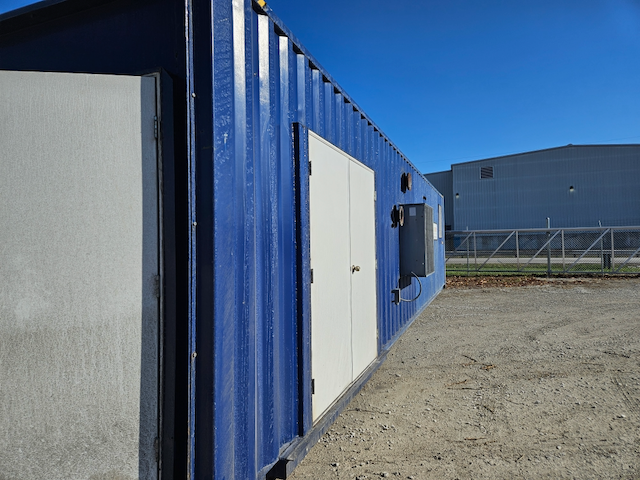
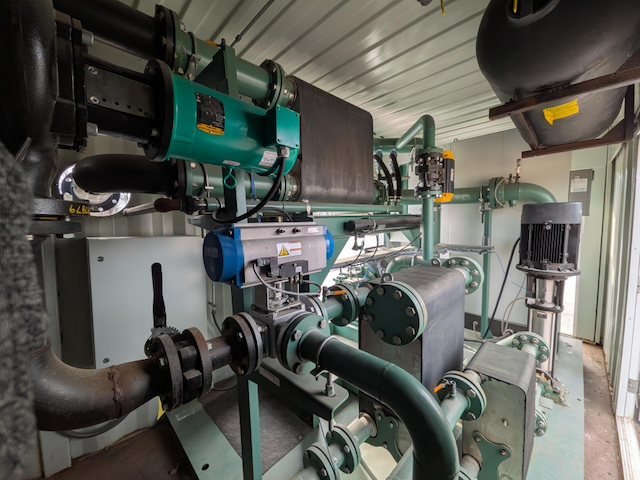
ElectraTherm 125 kWe System with Hurst Boiler Packaged in a 40 Foot Shipping Container Ready to Deploy | Priced to Sell Quickly A used turnkey waste-heat-to-power system is now available, fully integrated inside a 40-foot shipping container and in near-new condition with minimal runtime. of 39 hours. This self-contained unit pairs a Hurst Series 250 boiler with an ElectraTherm Power Organic Rankine Cycle 125 kWe 480 V 3 phase 60 hz generator, designed to efficiently convert low-grade heat into grid-ready electricity. Factory-tested, fully certified, and equipped with advanced PLC controls, rapid startup, and built-in safety systems, this containerized power solution offers a compact, transportable, and ready-to-deploy energy asset.Please call or email to make an offer.TEL: +1-608-238-6001 (Chicago Time Zone) Email: greg@infinityturbine.com |
|
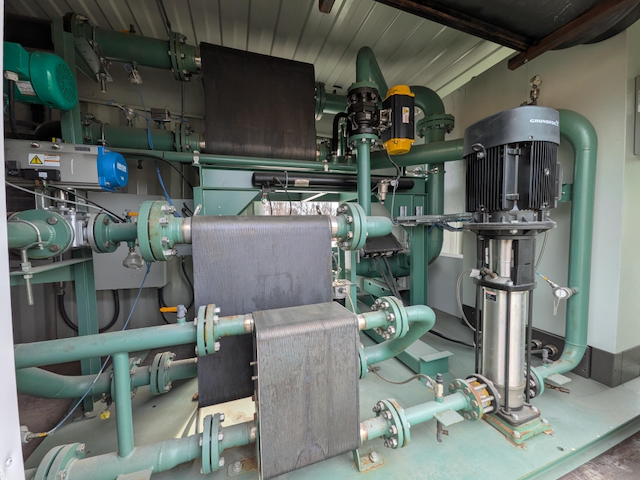
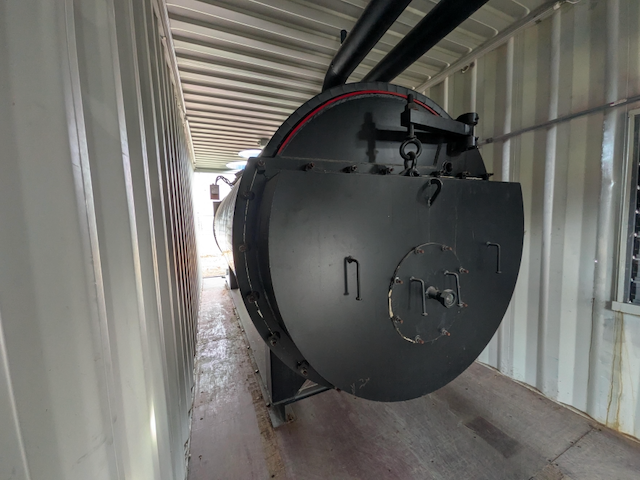
Details on ElectraTherm and Hurst Boiler Packaged System ElectraTherm: IT-6500SN: 6305MFG: 6500BDate: 8/11/2021Working Fluid Pressure MAWP: 10 Bar @ 132 C (145 psi)Hot Water: 10 Bar @ 132 C Max Flow: 80 m3/hr 77-132 C Operational RangeCooling Water: 10 Bar @ 38 CRefrigerant: R-245fa (Min Charge: 182 kg)Oil Charge: 13.5 kgOil: 100 ISO/500 SUS ALKYLBENZENEGenerator: 125 kW 3-phase 480 V 60 HZ Delta with Earth Groundhttps://electratherm.comHurst Boiler www.hurstboiler.comASMEH Job Number: 2300197 Model #S250-X-200-30W26035Max WP PSI: 30 WTRSerial Number: S652-30W-1Heating Surface Area: 632 SFMininum Safety Valve / HR: 8,000,000 BTU 8 MMMBTU/hrBoiler Output/HR: 6,695,000 BTUYear Built: 05/2025Max Water Temperature: 250 F (121 C)See: https://www.hurstboiler.com/cad/ab-series-250Video: https://youtu.be/8bsTh-UrInAhttps://youtube.com/shorts/1X4q6v6c1ws?feature=share ElectraTherm Model 6500B BrochureYouTube Video: Walk around of container mounted ElectraTherm 125 kWe ORC system and Hurst Boiler YouTube Video: Interior of container mounted ElectraTherm 125 kWe ORC system and Hurst Boiler |
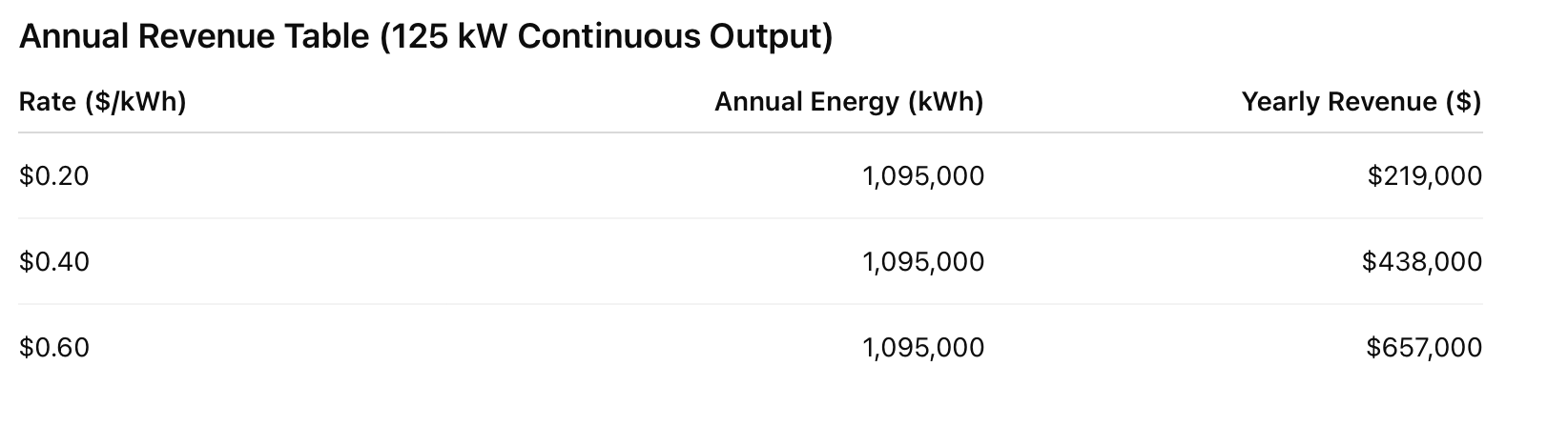
Annual Revenue from 125 kWe Continuous Output |
|
Compare to New System | Make Offer on this Used / Surplus Packaged System New system price over $600,000 in this pre-packaged installed format. Priced separately new prices are approximately:Electratherm ORC: $450,000Hurst Boiler: $100,000Containerized with assembly: $100,000Please call or email to make a offer on this used/surplus system. TEL: +1-608-238-6001 (Chicago Time Zone) Email: greg@infinityturbine.com
|
|
Turn low-grade heat into revenue with a fully containerized power plant ready to deploy This pre-packaged 40-foot container combines a 125 kWe Organic Rankine Cycle generator with an industrial Hurst boiler to deliver grid-ready electricity from heat that would otherwise be wasted. With minimal runtime and turnkey integration, this mobile energy platform enables rapid deployment for biomass systems, industrial facilities, and distributed power projects where reliable on-site generation is required.Compact, transportable, and factory-tested, this system transforms heat into power wherever thermal energy exists. |
|
Key Applications Key ApplicationsBiomass to EnergyConvert wood waste, agricultural residues, and organic fuels into continuous electricity. The boiler produces thermal energy from biomass combustion, while the ORC generator converts that heat into grid-quality power.Biochar ProductionPair with pyrolysis or carbonization systems. Recover heat from the biochar process and convert it into electrical output, improving system economics and overall energy efficiency.Industrial Waste Heat RecoveryCapture heat from manufacturing, kilns, furnaces, dryers, or thermal processing lines. Instead of venting heat to atmosphere, generate electricity on site.Remote and Distributed PowerDeploy containerized generation where grid access is limited or unreliable. Ideal for modular industrial plants, remote facilities, or temporary energy needs.CHP and Thermal OptimizationUse the boiler as a controlled heat source for combined heat and power configurations, maximizing energy recovery across multiple thermal processes.Renewable Thermal ProjectsIntegrate with solar thermal, geothermal hot water loops, or other moderate-temperature heat sources suitable for ORC conversion. |
|
Containerized Waste Heat Power: The Electratherm 125 kWe ORC and Hurst Boiler Integrated Energy System The integration of thermal energy systems with modular power generation has become a critical strategy for improving industrial efficiency, reducing emissions, and enabling distributed electricity production. A containerized system combining an Organic Rankine Cycle generator with an industrial boiler represents a practical implementation of this concept.The Electratherm 125 kWe ORC paired with a Hurst Series 250 boiler is an example of a fully integrated thermal-to-power platform engineered for rapid deployment. Packaged inside a 40-foot shipping container, the system functions as a compact power plant that converts heat into electricity with minimal site infrastructure requirements.System OverviewThe installation combines two primary components:Hurst Series 250 Boiler• Provides controlled thermal energy input• Industrial firetube design with high heat output• Designed for continuous operation and thermal reliabilityElectratherm 125 kWe Organic Rankine Cycle Generator• Converts low-grade heat into electrical power• Produces grid-ready 3-phase electricity• Uses a closed-loop working fluid cycle• Designed for rapid startup and automated operationTogether, these components form a thermal energy conversion chain: heat generation followed by heat-to-power conversion.The system is fully integrated, factory tested, and mounted within a transportable container enclosure, allowing it to be delivered and installed with minimal commissioning time. ([infinityturbine.com][1])Organic Rankine Cycle Power ConversionThe Organic Rankine Cycle is a thermodynamic process that converts moderate-temperature heat into mechanical and electrical energy. Instead of steam, the system uses an organic working fluid with a lower boiling point, enabling power generation from heat sources that are insufficient for conventional steam turbines.Heat from the boiler transfers into the ORC heat exchanger. The working fluid vaporizes, expands through a turbine or expander, and drives a generator. The fluid is then condensed and recirculated, forming a closed loop.This process enables electricity generation from:• Industrial waste heat• Combustion systems• Biomass furnaces• Hot water loops• Thermal process exhaust streamsBecause ORC systems operate efficiently at lower temperatures, they are especially suited to recovering energy that would otherwise be discarded.Containerized Deployment ArchitectureHousing the entire plant inside a 40-foot shipping container offers several engineering and economic advantages:MobilityThe system can be transported by standard freight infrastructure and deployed wherever heat is available.Rapid InstallationMinimal civil work and reduced field assembly enable fast commissioning.Integrated ControlsBuilt-in PLC control systems manage boiler output, ORC operation, and electrical generation.Compact FootprintThe container format minimizes land use while maintaining industrial performance.Turnkey OperationA single modular unit simplifies procurement, logistics, and system integration. ([infinityturbine.com][1])Energy Recovery and Industrial EfficiencyIndustrial operations frequently reject large quantities of usable heat. Thermal losses occur in exhaust streams, cooling systems, and high-temperature processes. Converting even a fraction of this thermal energy into electricity can significantly improve overall plant efficiency.A containerized ORC system provides a practical method of energy recovery because it:• Operates continuously with stable heat input• Requires minimal supervision• Generates usable electrical output for onsite consumption or grid exportThis transforms thermal waste into a revenue-generating resource.Biomass and Carbon-Based Thermal SystemsThe combination of an industrial boiler and ORC generator is particularly effective in biomass energy systems. Biomass combustion produces heat that can be used directly for power generation, enabling renewable electricity production from agricultural or forestry residues.In biochar and pyrolysis operations, significant thermal energy is produced during carbonization. Capturing and converting that heat to electricity improves project economics and enhances sustainability by maximizing energy utilization.Distributed and Modular Power GenerationContainerized energy systems support the shift toward decentralized power infrastructure. Rather than relying exclusively on large centralized plants, industrial operators increasingly deploy localized generation near the point of energy use.This approach improves resilience, reduces transmission losses, and enables scalable capacity expansion. A containerized ORC-boiler system can function as:• Supplemental power generation• Primary generation for remote sites• Thermal recovery module for existing facilitiesEconomic Value of Thermal EnergyThe system’s continuous electrical output can generate significant long-term value when operated with a consistent heat source. By converting thermal energy into electricity, facilities can offset purchased power, monetize waste heat, or create a new revenue stream from existing processes.This is particularly impactful in industries where heat is abundant but underutilized.ConclusionThe integration of a Hurst industrial boiler with an Electratherm 125 kWe Organic Rankine Cycle generator inside a transportable container creates a self-contained thermal power plant capable of converting heat into electricity wherever it exists.By enabling rapid deployment, efficient energy recovery, and modular operation, this configuration supports biomass power generation, industrial waste heat utilization, biochar production, and distributed energy development.As energy systems continue to move toward efficiency and decentralization, containerized thermal-to-power platforms represent a practical and scalable solution for turning heat into usable electrical power. |
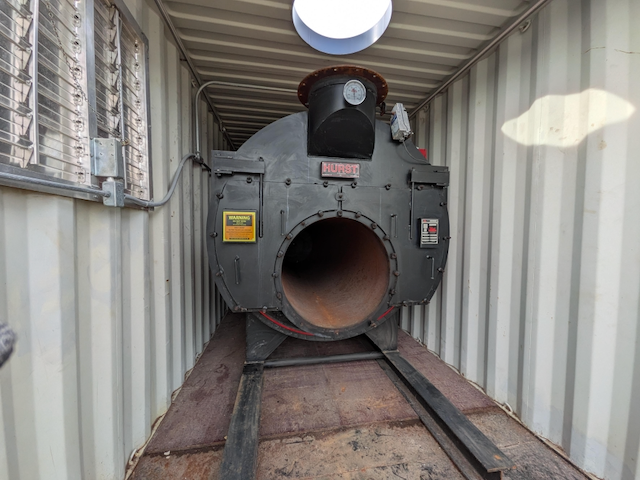
|
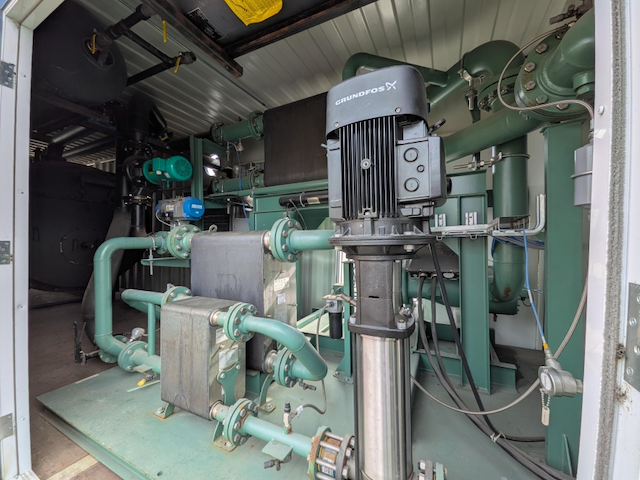
|
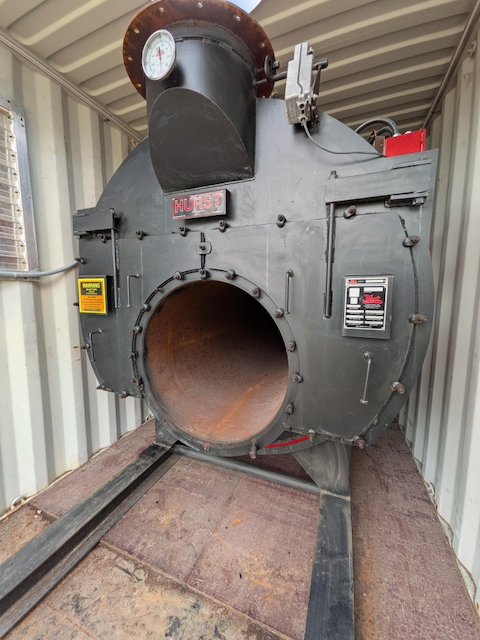
|
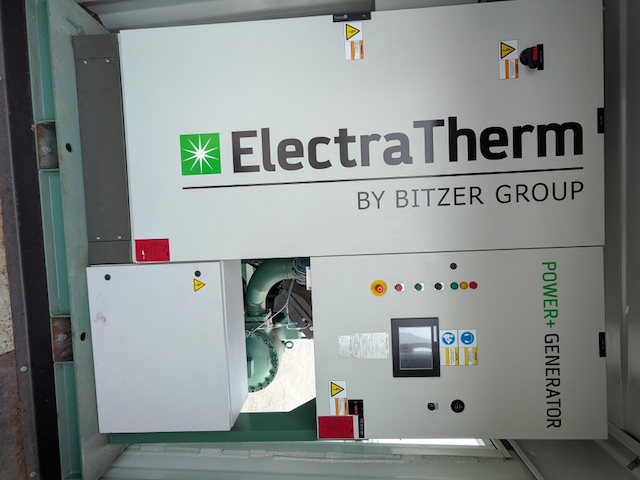
|
|
|
Biomass to Energy for Gold Mining Operations Operational Advantages for Gold MiningBeyond fuel savings:✔ Eliminates diesel delivery logistics✔ Reduces fuel theft risk✔ Improves energy security✔ Enables on-site biomass utilization✔ Lower emissions✔ Enables carbon credit eligibility✔ Converts mine clearing waste to power✔ Supports biochar production✔ Stabilizes long-term energy cost |
|
Biomass vs Diesel Power in Remote Gold Mining: A 125 kWe Containerized Energy Solution Remote gold mining operations face one of the most expensive energy environments in the industrial world. When operations are far from grid infrastructure, diesel generators typically provide the only reliable source of electricity. However, diesel logistics, transportation risk, and extreme fuel costs create a major operating burden.When diesel reaches $10 per gallon, power generation costs can exceed $0.70 per kWh. Under these conditions, alternative energy systems capable of producing continuous baseload power become economically transformative.A containerized 125 kWe Organic Rankine Cycle power plant paired with an industrial biomass boiler offers a fundamentally different approach to mine power generation.Containerized Thermal Power GenerationThe system integrates two major components inside a transportable 40-foot container:• Industrial Hurst boiler producing thermal energy• ElectraTherm Organic Rankine Cycle generator producing electricityThis configuration converts heat into electrical power using a closed thermodynamic cycle. The system is factory integrated, transportable, and designed for continuous operation. ([infinityturbine.com][1])Instead of burning diesel directly for mechanical power, the system produces electricity from heat generated by biomass combustion or other thermal processes.Energy Economics in Remote MiningConsider a 125 kW mine load operating continuously.A conventional diesel generator at $10 per gallon requires approximately $63,000 per month in fuel. Over six months, fuel cost alone approaches $378,000.By contrast, a biomass-fueled ORC system operating at modest fuel processing cost can generate the same electrical output for roughly $4,500 per month.This produces savings of nearly $60,000 per month.Within six months, fuel savings alone can exceed $350,000 — more than half the capital cost of a new containerized plant.Biomass as a Mine Energy ResourceGold mining sites frequently generate biomass feedstock naturally:• land clearing operations• timber removal• brush management• packaging materials• agricultural residues near mining zonesRather than treating this material as waste, it becomes an energy resource.In addition, thermal processes such as biochar production or ore drying generate recoverable heat that can further enhance system efficiency.Strategic Advantages Over DieselThe economic benefit of biomass power extends beyond fuel cost.Diesel supply chains are vulnerable to weather, transportation delays, and security risks. Fuel theft and storage hazards are common challenges in remote operations.A biomass-based power system reduces dependence on delivered fuel and converts local material into continuous electrical production.This improves operational resilience and stabilizes long-term cost structures.Financial Impact on Mine OperationsAt elevated diesel prices, energy can become one of the largest operating expenses in gold mining. A system that cuts fuel cost by more than 90 percent dramatically changes project economics.In many cases, replacing diesel with biomass thermal power can reduce total mining cost per ounce of gold and extend the economic life of marginal deposits.ConclusionIn high-cost fuel environments, containerized biomass-powered ORC generation offers one of the most compelling energy strategies available to remote gold mining operations.By converting locally available biomass into reliable electrical power, the system can displace diesel generation, reduce operating costs, and recover its capital investment in less than a year under extreme fuel pricing conditions.For mines operating far from grid infrastructure, the shift from diesel dependence to thermal biomass power represents not just an efficiency upgrade, but a structural transformation in energy economics. |
| CONTACT Email: greg@globalmicroturbine.com | AMP | PDF |